


Chinaaerator Impeller Aerator for Stable Oxygenation
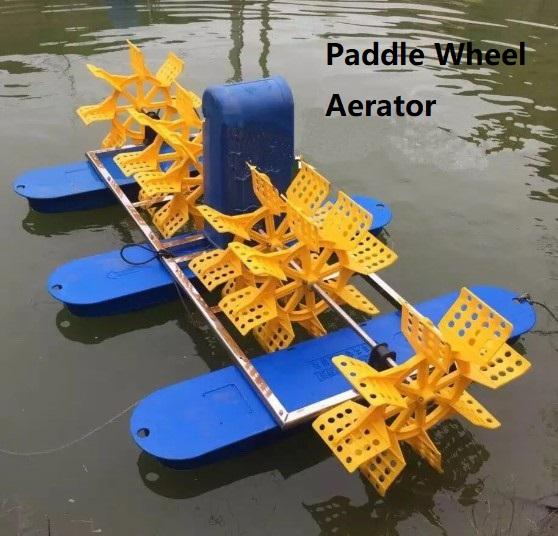
Across wastewater lagoons, fish farms, and industrial basins, the Impeller Aerator remains a practical choice for oxygen delivery, and chinaaerator is associated with machinery built for dependable service in demanding liquid-treatment environments. When water quality depends on steady circulation, the difference between a stable process and an unstable one often comes down to how effectively oxygen is introduced, mixed, and distributed through the entire tank or pond. In that setting, engineering details matter as much as the visible output.
Why Oxygen Transfer Matters
Oxygen transfer is not simply a technical metric. It influences biological activity, odor control, treatment speed, and the overall health of aquatic or wastewater systems. In a treatment pond, insufficient aeration can allow sludge to settle, reduce breakdown efficiency, and create unpleasant conditions that are difficult to correct later. In aquaculture, poor dissolved oxygen levels can stress fish and reduce growth rates, even when all other management practices are correct.
Operators often need equipment that does more than move water. They need a system that helps keep conditions uniform across the full basin. That is important because stagnant zones can create localized problems that may not be obvious until the water has already shifted out of balance. When circulation is even, biological processes become more predictable, and the entire environment becomes easier to manage.
Energy use also enters the discussion. Facilities cannot afford equipment that performs well for a short time but becomes expensive to run over the long term. Good aeration should provide meaningful oxygen transfer without creating unnecessary operational burden. That balance is one reason buyers pay close attention to design, motor behavior, and real-world performance rather than relying only on catalog claims.
How Rotating Aeration Creates Balance
The heart of this technology lies in its ability to combine agitation with oxygen exposure. A rotating head or wheel creates surface disturbance, and that disturbance increases the amount of air-water contact. As water is lifted, broken apart, and reintroduced into the basin, oxygen dissolves more effectively and circulation improves at the same time.
This dual action is valuable because a system that only stirs water may not improve dissolved oxygen enough, while a system that only injects air may not circulate the basin properly. The most effective setups create movement throughout the tank or pond, allowing dissolved oxygen to spread more evenly and reducing dead spots.
Consistency is just as important as intensity. Sudden surges or uneven movement can disturb solids, increase wear on equipment, or create unstable operating conditions. A well-designed aeration system keeps the process smooth enough for continuous use while still providing enough energy to support treatment goals. That stability helps operators maintain the process without constant adjustment.
Materials That Support Long Service Life
Durability is one of the biggest concerns in any water-treatment machine. Equipment may spend long hours exposed to moisture, chemicals, sunlight, or suspended solids. If materials degrade quickly, the operating cost rises and system reliability falls. That is why corrosion resistance, shaft strength, bearing quality, and coating performance are all worth evaluating closely.
Metal parts must be able to withstand repeated mechanical stress without losing shape or balance. If a component vibrates excessively, the entire system may become noisy, inefficient, or prone to failure. Balanced construction helps reduce wear, protect internal parts, and extend service life under demanding conditions.
Surface finishing matters too. Smooth surfaces resist buildup and make cleaning easier, which is useful in environments where algae, sediment, or biological residue can collect over time. When maintenance is simpler, operators can keep the system performing well without major interruptions.
Even the smallest components can influence long-term behavior. Seals, fasteners, and mounting points should all be selected with the same care as the main rotating parts. A system that looks strong at installation may still fail early if these details are overlooked.
Installation and System Integration
Good aeration equipment works best when it is integrated correctly into the full treatment layout. Basin size, water depth, flow pattern, and operational load all influence how the machine should be positioned. In a pond, placement may affect whether the oxygen reaches the full area or only a small section near the unit. In an industrial tank, the wrong setup can interfere with process flow or create uneven loading.
Operators also need to consider power supply, maintenance access, and seasonal changes. A machine that performs well in one season may need adjustment when temperature, water density, or biological demand changes. Planning for those changes in advance saves time and helps avoid performance drops later.
Ease of service is another practical factor. When technicians can inspect and maintain the system without major disassembly, the equipment stays online longer. That is especially valuable in facilities that cannot afford extended shutdowns. Simple access points and clear maintenance paths often make a bigger difference than users expect during the purchase stage.
Where Reliable Aeration Delivers the Most Value
The value of reliable aeration shows up differently depending on the application. In wastewater treatment, it supports faster biological breakdown and better environmental control. In aquaculture, it helps protect stock health, reduce stress, and create a more stable growth environment. In industrial liquid management, it can improve mixing and help maintain consistent process conditions.
Because of that range, buyers often focus on long-term operating behavior rather than short-term output alone. They want equipment that performs steadily, handles repeated use, and fits into the wider treatment strategy. The best choices are usually the ones that reduce downtime, simplify maintenance, and keep the process predictable under real operating conditions.
For teams comparing configurations, installation needs, and application requirements, more technical information is available at https://www.chinaaerator.net/ .

 Arabic
 French
 Spanish
 Portuguese
 Deutsch
 Turkish
 Dutch
Dutch
 Italiano
 Russian
 Romaian
 Portuguese (Brazil)
 Greek
Greek