


Anycolorcosmetics Guide: Cosmetics Packaging Solution Material Choices for Startups
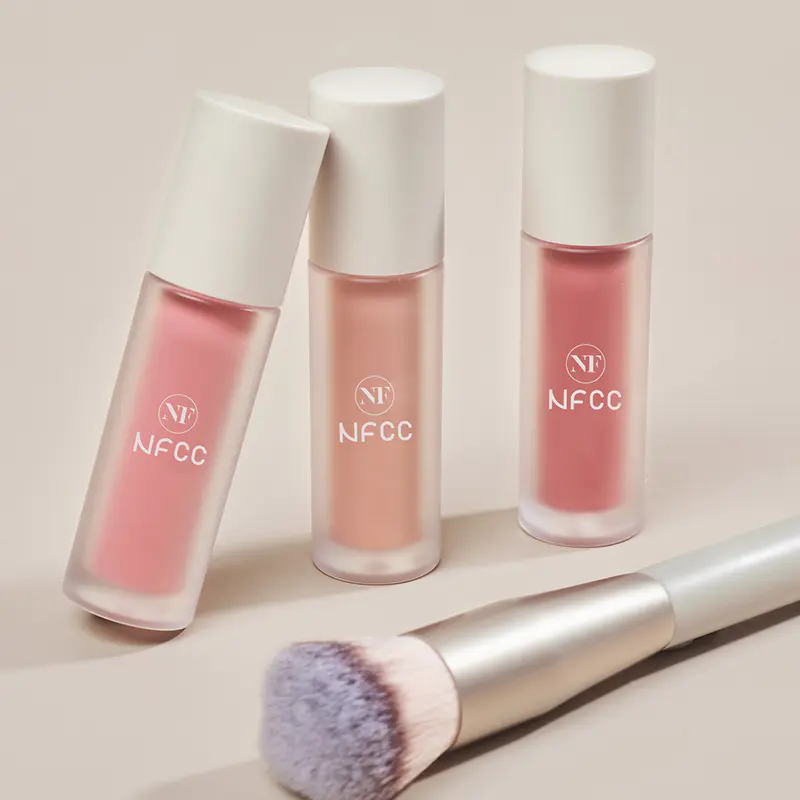
A beauty brand's success depends partly on what holds the product. The container touches the customer first. A Cosmetics Packaging Solution involves material selection that affects preservation, application, and shelf presence. Manufacturers like anycolorcosmetics offer multiple options, yet a formulator faces a basic question: which materials work for lipstick, foundation, or gloss without compromising stability?
Glass stands as the most inert choice. It does not react with oils, fragrances, or active ingredients. A serum containing vitamin C or retinol stays potent longer inside a glass bottle. Amber glass blocks UV light, protecting lightsensitive formulas. The material suits highend positioning because its weight feels substantial. However, glass breaks when dropped. Shipping costs rise due to extra cushioning. A liquid foundation in a glass bottle requires careful handling. Many luxury brands accept this tradeoff for the premium perception. A startup may choose glass for a smallbatch limited edition, then switch to another material for volume production.
Plastic offers versatility and safety. Polyethylene terephthalate (PET) appears clear and resists impact. A plastic jar for cream does not shatter in a gym bag. Polypropylene (PP) handles higher temperatures, making it suitable for hotfill processes. A lip gloss tube uses soft polyethylene (PE) for squeezability. Plastic's weakness involves interaction with certain ingredients. Essential oils or high concentrations of citrus extracts may cloud clear plastic over time. A manufacturer tests compatibility before committing to a large order. Plastic also allows thin walls, reducing material use and shipping weight. A brand prioritizing affordability and durability chooses plastic without hesitation.
Acrylic provides a glasslike appearance without the weight. A Cosmetics Packaging Solution for a luxury lipstick often features an acrylic base. The material machines smoothly into complex shapes. A brand can create a faceted cylinder that catches light on a retail shelf. Acrylic resists cracking under normal use. It does not interact with most cosmetic formulas. The drawback involves scratch sensitivity. Acrylic surfaces show fine lines after contact with keys or coins. A protective coating or a velvet pouch reduces this risk. Many midrange brands select acrylic to bridge the gap between glass aesthetics and plastic practicality.
Metal packaging appears in lipstick bullets and cream jars. Aluminum offers a lightweight, impermeable barrier. No oxygen passes through an aluminum tube, preserving anhydrous formulas like balms. Metal provides a premium feel through anodized finishes. A goldcolored lipstick case conveys luxury at a moderate cost. Metal does not break, making it travelfriendly. The challenges involve denting and shape limitations. A dropped metal jar shows a permanent mark. Complex curves cost extra to manufacture. Metal also requires a inner coating for waterbased products to prevent corrosion. A brand launching a solid perfume or a tinted balm finds metal appropriate.
Ecoconscious materials gain attention in current markets. A Cosmetics Packaging Solution using postconsumer recycled (PCR) plastic reduces virgin resin demand. Some factories mix PCR with virgin material to maintain clarity. Glass made from recycled content melts at lower temperatures, saving energy. Bamboo sleeves around glass jars offer a natural touch. A brand must verify that bamboo does not absorb spilled product, which fosters bacteria. Paperboard compacts for pressed powders replace plastic clamshells. The tradeoff involves moisture resistance. A paper compact in a humid bathroom warps. A waterbased foundation cannot sit directly against uncoated paper. Hybrid designs use a thin plastic insert inside a paperboard shell.
Formula type dictates material choice strictly. An anhydrous lipstick with wax and oil behaves differently from a waterbased foundation. Waterbased products need materials that resist moisture loss. A pump bottle for foundation requires a metal spring inside the mechanism. That spring must be stainless steel to avoid rust. Oilbased serums need seals made of fluoropolymer or other oilresistant elastomers. A standard rubber seal swells and leaks when contacting certain esters. A manufacturer experienced with diverse formulas tests seal compatibility automatically. A brand saving money on packaging loses customer trust through sticky bottles or driedout products.
Application method also guides material selection. A lip gloss with a doefoot applicator needs a soft, flexible tube that springs back after squeezing. Polyethylene works here. A powder foundation requires a sifter mechanism with precise hole sizes. The sifter material must resist static cling. Polystyrene or acrylic works well because powder slides off easily. A dropper bottle for face oil needs a glass pipette with a rubber bulb. The bulb material must resist oil degradation. Natural rubber degrades quickly. Synthetic rubber like EPDM lasts longer. Matching the material to the application preserves the user experience through the last drop.
Sustainability claims require verification. A packaging material labeled “biodegradable” may need industrial composting conditions unavailable in most regions. A brand researching materials finds that glass recycles infinitely without quality loss. Plastic recycles fewer times before downcycling. Aluminum recycles repeatedly but consumes energy during reprocessing. A factory offering multiple materials helps a brand balance environmental goals with product protection. A heavy glass jar may carry a lower environmental footprint over many uses than a thin plastic tube destined for landfill after one gloss batch.
Understanding each material's behavior prevents costly mistakes. A Cosmetics Packaging Solution that looks beautiful initially must perform through shipping, shelf storage, and daily use. Visit https://www.anycolorcosmetics.com/news/industry-news/lip-stick-factory-launches-ecofriendly-packaging-solutions-for-global-brands.html to see how anycolorcosmetics applies material science to real production. A glass bottle suits some products. A plastic tube fits others. The right choice emerges from testing, not guessing.
 Italiano
 English
 Arabic
 French
 Spanish
 Portuguese
 Deutsch
 Turkish
 Dutch
Dutch
 Russian
 Romaian
 Portuguese (Brazil)
 Greek
Greek