


Top Tips for a Successful Solar Panel Installation
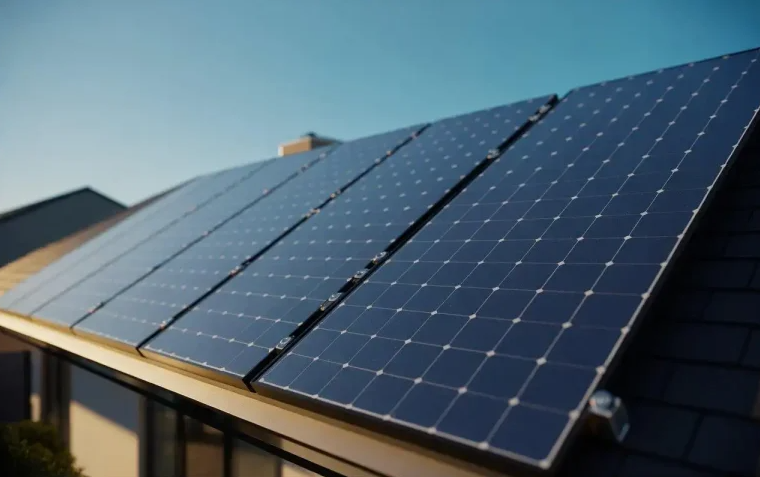
Switching to solar energy is a smart choice for both the environment and your energy bills. However, achieving a successful setup requires careful planning, preparation, and execution. Whether you are a homeowner or a business owner, following these top tips will ensure that your solar panels installation is efficient, safe, and long-lasting.
1. Conduct a Comprehensive Site Assessment
Before installing solar panels, it is essential to evaluate your property’s suitability. Factors to consider include:
- Sunlight Exposure: Ensure your roof or ground space receives adequate sunlight throughout the day.
- Roof Condition: Inspect your roof for any structural weaknesses or damages. A weak roof may require repairs before installation.
- Shading Issues: Check for nearby trees, buildings, or other obstructions that may cast shadows on your panels, reducing efficiency.
A thorough site assessment sets the foundation for an optimized solar panels installation.
2. Choose the Right Solar Panels
Not all solar panels are created equal. When selecting panels, consider:
- Efficiency Ratings: Higher efficiency panels generate more electricity per square meter.
- Durability: Look for panels with robust construction and reliable warranties.
- Brand Reputation: Trusted manufacturers often provide better performance and post-installation support.
Selecting the right panels ensures your system performs efficiently for decades.
3. Work with Certified Installers
A professional team can make or break your solar panels installation. Ensure your installers are:
- Licensed and Certified: Check for certifications such as NABCEP or local equivalents.
- Experienced: Look for a track record of successful installations similar to your setup.
- Transparent: Professionals should provide clear estimates, timelines, and warranties.
Hiring certified experts minimizes risks and guarantees a smooth installation process.
4. Optimize Panel Placement and Orientation
For maximum energy production, panel placement is crucial:
- Orientation: In the northern hemisphere, panels should ideally face south to capture the most sunlight.
- Tilt Angle: Adjust the tilt angle based on your geographic location for optimal sunlight exposure.
- Spacing: Ensure panels have enough space for airflow to prevent overheating.
Proper placement significantly improves system efficiency and longevity.
5. Invest in a Quality Inverter
The inverter converts the DC electricity generated by solar panels into AC electricity for home use. Tips for choosing an inverter:
- Efficiency: Look for inverters with high conversion efficiency.
- Type: String inverters are common for standard systems, while microinverters offer better performance for shaded areas.
- Monitoring Features: Advanced inverters allow you to monitor energy production in real-time.
A reliable inverter ensures your solar energy system runs smoothly.
6. Consider Battery Storage
Adding batteries can maximize your solar energy usage by storing excess power for later use. Benefits include:
- Energy Independence: Reduce reliance on the grid during peak hours or outages.
- Cost Savings: Store energy when electricity rates are low and use it when rates are high.
- Backup Power: Batteries provide emergency power during blackouts.
Proper integration of battery storage complements your solar panels installation.
7. Maintain Your System Regularly
Even the best solar panels require regular upkeep:
- Cleaning: Remove dust, leaves, and debris to maintain efficiency.
- Inspection: Check for damaged panels, loose wiring, or inverter issues.
- Professional Servicing: Schedule periodic maintenance with your installer to ensure optimal performance.
Routine maintenance extends the lifespan of your system and maximizes energy output.
8. Understand Incentives and Regulations
Finally, familiarize yourself with local solar incentives and regulations:
- Government Rebates: Many regions offer rebates, tax credits, or grants for solar installations.
- Net Metering: Understand how your system can feed excess electricity back into the grid.
- Permits: Ensure all necessary permits are obtained before installation to avoid legal complications.
Being informed ensures that your solar panels installation is compliant and cost-effective.
 Russian
 English
 Arabic
 French
 Spanish
 Portuguese
 Deutsch
 Turkish
 Dutch
Dutch
 Italiano
 Romaian
 Portuguese (Brazil)
 Greek
Greek